Assessing the Landscape of U.S.-Iran Relations Amidst Escalation and Options for Resolution
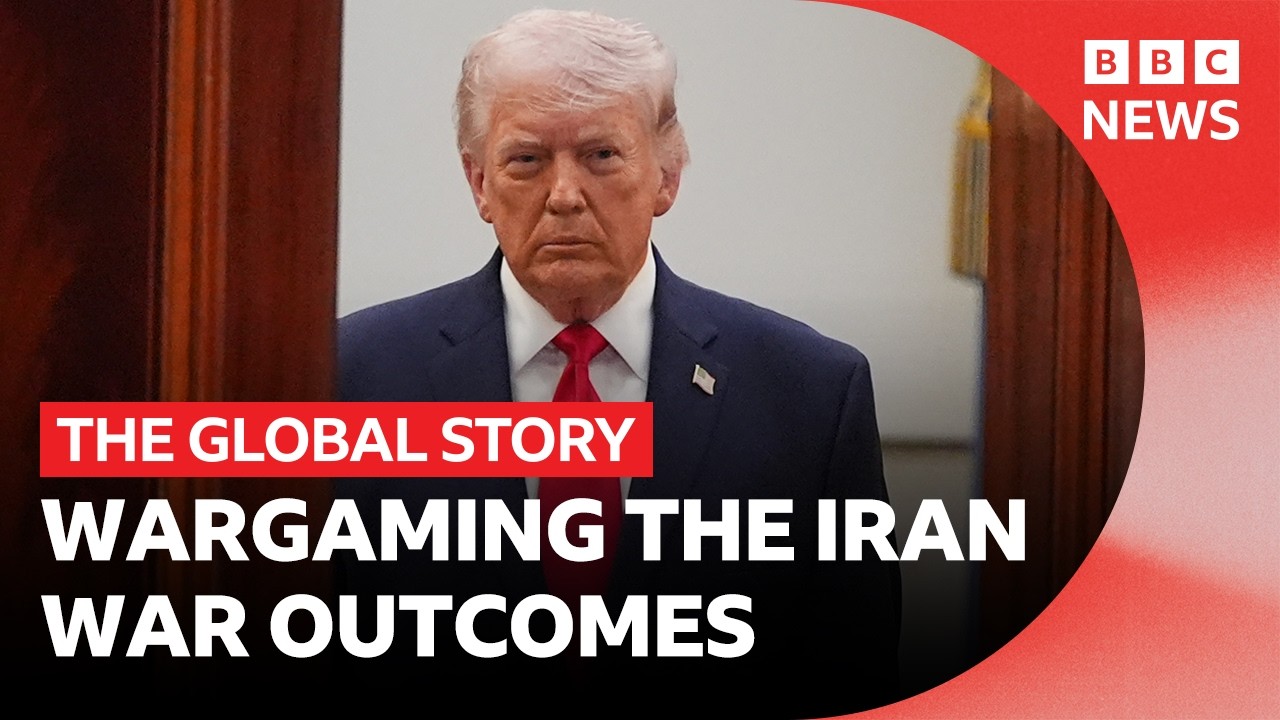
In the current geopolitical climate, the ramifications of U.S. military engagement in the Middle East, particularly regarding Iran, are rapidly evolving. President Trump recently indicated a strategy to heighten U.S. military pressure on Iran over the next few weeks, making clear his intention to respond decisively to perceived threats. But deciphering his actual policy strategy remains a complex challenge.
In a recent address, Trump echoed sentiments from his recent social media posts, suggesting a desire to bring Iran “back to the stone ages.” Yet, the introduction of thousands of additional troops into the region suggests a tactical shift, providing Trump with a spectrum of military options. Understanding these options is crucial, especially given Iran’s historical resilience in the face of U.S. military actions.
Iran’s military landscape has dramatically changed over time. Though assertive military responses from Iran remain a constant, its strategic calculations often reveal a nuanced approach. For instance, in previous war games simulating U.S.-Iran conflicts, an Israeli strike against Iran’s nuclear facilities often kicked off hostilities. While Iran typically responded with proportional strikes against Israel, it refrained from escalating directly into a broader confrontation with the United States—viewed as an existential threat—at least in the initial phases.
In examining how a conflict might unfold, several scenarios have emerged. According to military analysts who have extensively modeled such conflicts, the trajectory shifts significantly once the U.S. becomes directly involved. At that point, Iran shifts from a defensive posture to one of retaliation, aiming to inflict maximum costs on U.S. forces and interests. A recent analysis suggested that, contrary to expectations, Iran’s oil exports have surged amidst heightened tensions, demonstrating an adaptability that has caught many by surprise.
Simultaneously, options for U.S. military intervention cast a stark light on the inherent risks involved. A proposed operation to seize K Island, critical for Iranian oil exports, raises serious questions about feasibility and potential backlash. While such an action could disrupt Iranian oil trade significantly, the likelihood of escalating tensions is high. As has been noted, military operations of this nature often lead to unintended consequences—primarily increased Iranian aggression in the region.
An even more audacious option would be a special forces operation to secure Iran’s enriched uranium stockpile within heavily fortified tunnels. This would necessitate a large contingent of U.S. troops and intricate planning, underscoring the considerable risks of casualties and mission failure in a hostile environment. The momentum of Iranian military response in such aggressive scenarios could spiral out of control, leading to potentially disastrous geopolitical repercussions.
Amid these challenges lies the arduous task of considering a full-scale invasion of Iran. Experts widely agree that such a prospect remains highly impractical, given Iran’s vast population and the complexities of occupying the country. Working with proxy forces, while a potential avenue, risks exacerbating instability and could yield humanitarian catastrophes.
Despite these daunting military realities, discussions of regime change persist. Trump’s claims of ushering in a new phase for Iran’s governance, through the removal of key figures, may not have yielded the anticipated effects. Historical analysis reveals that replacing a leader often maintains continuity in a regime’s fundamental characteristics; hence, the prospects for genuine reform remain tenuous as hardliners consolidate their grip.
In considering paths for de-escalation, analysts advocate for establishing clear terms for negotiation. Achieving a cessation of hostilities and ensuring Iran’s compliance with nuclear limitations could be facilitated through diplomatic channels, fostering cooperation from regional stakeholders. This presents a viable avenue for alleviating tensions.
Ultimately, the prevailing narrative acknowledges that while military options abound, their implications are fraught with potential chaos and prolonged conflict. Looking ahead, a strategy centered on containment and patience, coupled with sustained diplomatic efforts, may offer the most viable route for a stable and constructive U.S.-Iran relationship. In a world increasingly characterized by uncertainty, finding a lasting solution will require careful calibration of both military readiness and strategic diplomacy.